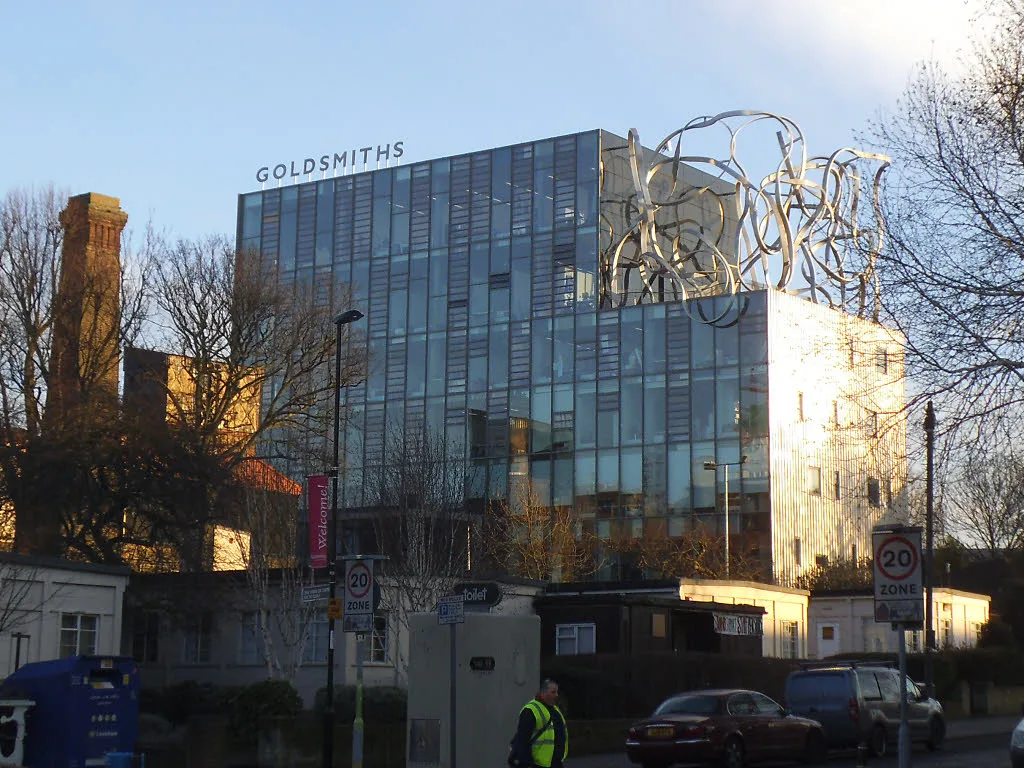

Goldsmiths UCU members returned to work on 23 November, suspending an indefinite strike and marking boycott over £20m of cuts. The union says the dispute goes on.
Overview
Staff at Goldsmiths, University of London, went back to work at 9am on Monday 23 November. Members of the university’s branch of the University and College Union (UCU) suspended an indefinite strike and a boycott of marking and assessment. The union says the strike lasted 168 days, from 8 June. Teaching and marking at the New Cross university are resuming, but the union says the dispute is not over.
The university confirmed the return in a statement on 23 November. Goldsmiths UCU set out its decision on its own website the same day.
What the two sides say
Goldsmiths said it welcomed the decision. A spokesperson said: “Our immediate priority is to work together to minimise disruption to students and support the resumption of teaching and marking.”
The university made clear the cuts behind the dispute still stand. “Savings still need to be made, and difficult, necessary decisions remain to secure the university’s long-term sustainability through the Future Goldsmiths programme,” the spokesperson said.
The union said members had “returned to work on our own terms”. It said management was still refusing to “open the books” and that “the threat of redundancies has not gone away”.
“The fight continues,” the branch said.
How the dispute got here
The dispute is over Future Goldsmiths, the university’s savings programme. The union’s account of the timeline is:
- June 2025: the branch raised a formal dispute after management announced an £8 million shortfall in student recruitment income and plans for £20 million of savings from staff cuts, split evenly between academic and professional staff
- 16 March to 10 April 2026: in a postal ballot, 81.22% of members backed strike action and 91.71% backed action short of a strike, on a turnout of 63.02%
- 27 April: members began action short of a strike, including the marking and assessment boycott. The union says management responded by deducting 100% of pay from everyone taking part
- 8 June: the indefinite strike began
- 17 November: UCU greylisted Goldsmiths, an international academic boycott of the university
- 23 November: after an emergency branch meeting passed a motion with 85% support, members suspended the strike and the boycott
In October, the university said talks through the conciliation service Acas had failed. Its statement then said its final offer had included:
- no compulsory redundancies until the New Year
- a voluntary severance scheme
- staggered pay deductions for staff who had been on strike
The union says its own counter offer, which asked for compulsory redundancy processes to be delayed for a full term of teaching, was dismissed.
The greylisting stays
The suspension does not end the greylisting. Under it, academics at other institutions are asked not to apply for jobs at Goldsmiths or to speak at, lecture at or organise conferences there, the branch says. They are also asked not to take up new external examiner contracts or teach on its taught programmes. The full list is on the branch’s greylisting page.
The union is still demanding that management withdraw the 100% pay deductions.
What it means for you
- If you study at Goldsmiths, teaching and marking should now restart. The university says its priority is “supporting students and minimising further disruption to their education”. Check with your department for how missed marks and assessments will be handled.
- No new strike is planned yet. Goldsmiths says any future action would need a further vote by union members, and none has been formally notified to the university.
- Job cuts are still on the table. Neither side says the Future Goldsmiths savings have changed.
Have your say